
Is It Illegal to Sleep in Your Car in Pennsylvania?
Introduction
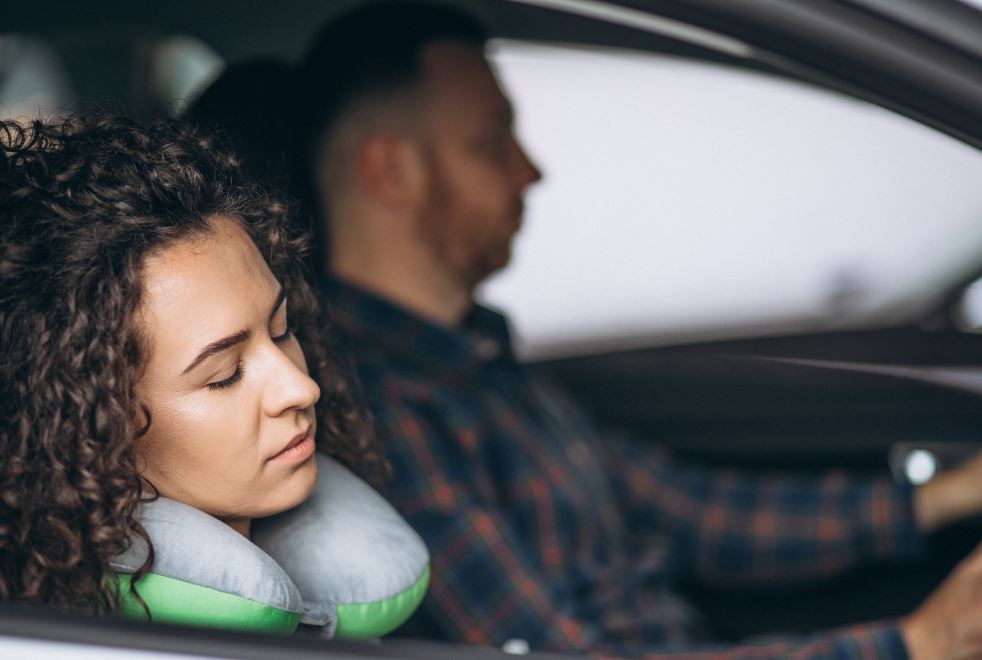
People sleep in their cars for many reasons. A driver may need rest during a long road trip, a rideshare worker may finish a late shift, or a college student may need a quiet place to rest between commitments.
Others may face temporary financial hardship and have limited options for overnight accommodation.
Whatever the reason, it is important to understand the rules before deciding where to park and sleep.
So, is it illegal to sleep in your car in Pennsylvania? The answer depends on where you park, whether overnight parking is permitted, and the circumstances surrounding your vehicle. Pennsylvania does not have a blanket statewide prohibition that automatically makes sleeping inside a parked car illegal.
Understanding Pennsylvania’s rules can help drivers make safer decisions, avoid unnecessary fines, and know what to expect if law enforcement approaches them.
Is It Illegal to Sleep in Your Car in Pennsylvania? The Short Answer
Generally, sleeping in your car in Pennsylvania is not automatically illegal. There is no single statewide rule that prohibits every person from sleeping inside a parked vehicle.
However, that does not mean you can park anywhere and stay overnight without consequences. The legality of sleeping in your car often depends on:
- Whether the location permits overnight parking.
- Whether a city, borough, or township has applicable restrictions.
- Whether you have permission to park on private property.
- Whether your vehicle blocks traffic or creates a safety concern.
- Whether the circumstances raise a potential DUI issue.
For example, resting in a vehicle at a permitted rest area may be treated differently from sleeping in a car in a closed public park or a private shopping center parking lot after closing.
State Law vs. Local Ordinances
What Does Pennsylvania State Law Say?
Pennsylvania does not have a state-wide law that prohibits sleeping in a car. However, there are laws that could impact someone for sleeping in a car.
Parking and traffic laws regulate where a vehicle can stop and how long it can stay parked in a specific location.
Laws regulating Driving Under the Influence (DUI) could also apply if a person is found asleep in a car and in control of a car that is parked and being operated by a person who is under the influence of alcohol or other drugs.
These laws do not address whether sleeping in a car is illegal.
Why Local Rules Matter?
Cities, boroughs and townships can also enact laws that regulate parking.
Some of these laws restrict vehicle parking on public streets from midnight to 6:00 AM. Other laws regulate camping and extended vehicle stays.
Also, what is allowed in one location may be restricted in another. For example, overnight parking may be permitted in one Pennsylvania municipality, but not in another.
When researching Pennsylvania laws on sleeping in a car, drivers should not assume that one state-wide answer governs all situations, because that may not always be the case.
Situations Where Sleeping in Your Car is Generally Legal
1. State and Highway Rest Areas
Rest areas along state and highway routes can be good places to stop if a person is feeling tired while driving.
However, a driver should check posted signs and the rules of the facility. There may be a limit on how long a person can stay at the facility and/or park there. The rules may also vary between different facilities.
Driving while excessively tired can be dangerous, and stopping at an authorized rest area is safer than continuing to drive.
2. Private Property With Permission
As long as you have permission from the owner or a manager of the property and it is not otherwise prohibited by law or by the property’s rules, you may be able to sleep in your car on the property.
Say, for example, that you have permission to park in someone’s driveway for the night. Permission would not change other rules or laws that apply to your situation.
3. Retail Parking Lots
Some businesses may allow travelers to park, but permission cannot always be assumed. A store may have a rule against overnight parking and/or employ security to enforce that rule.
Parking policy and local laws may restrict overnight parking.
Before you sleep in a retail parking lot, contact the property manager if one is available to see if it is allowed, and to learn any rules.
4. Fatigue and Pulling Over
If you are too tired to drive safely, find a legal, safe place to stop. Driving while extremely tired poses a safety risk to you and others.
If you need to stop because of tiredness, a quick stop is different from creating a sleeping arrangement. Not all roadsides and areas along highways are legal and safe for parking.
If you can, use a rest area or other legal parking.
Situations Where Sleeping in Your Car Can Become Illegal
When is Sleeping in Your Car Illegal?
- Overnight Parking Bans
Overnight Parking bans generally prohibit parking on certain streets between a specified time, say between 2 am and 5 am.
Even if you are sleeping in a legally registered vehicle, you may be breaking the rules.
Failure to obey an overnight parking ban can lead to a ticket and potentially the tow of your vehicle.
Always review local parking signs before leaving your vehicle for the night.
- Violating Local Anti-Camping/Loitering Laws
Public property may restrict camping, lengthy stays, and remaining on property past closing.
Depending on the language of the local law, it is possible that sleeping in your vehicle would be considered unlawful camping.
This likely isn’t the case in Pennsylvania.
- Trespassing
Sleeping in your car on private property is considered trespassing if the property is closed to the public and the property owner asks you to leave.
Parking lots that are open during business hours don’t necessarily mean you are authorized to spend the night there.
If an owner or representative of the property asks you to leave, you are at risk of breaking the law if you don’t comply.
- Sleeping in Closed Areas
Public areas may be closed to the public between certain hours. A public area may include public parks and recreational areas. Sleeping in a closed public area is a violation of the area rules.
Check a park’s official hours and parking policies before parking there to sleep.
- Creating a Traffic or Safety Hazard
Parking in a way that creates a hazard can draw the attention of the police. This includes blocking travel lanes, driveways, or emergency routes.
Even if you are just parking to sleep, you could face legal consequences.
Park in an appropriate spot to avoid blocking traffic or obstructing access.
Can Police Wake You Up or Ask You to Move?
Yes, police can wake you up for several reasons, including a parking complaint, to check on your welfare, to determine if you are violating any laws, or to ensure your safety and the safety of others.
- During the encounter, the police can
- Determine the reason you are parked there
- Tell you to move if you are breaking any parking restrictions
- Give you a citation for an infraction
- Tow your car if it is authorized by law
- Investigate further if they believe a crime is being committed
Can Police Wake You Up?
Yes, they can if it is legally justified. However, the legality of further detention, search, or arrest would depend on the specific facts and the law.
Legal Insight: Issues That May Matter in a Vehicle Encounter
For readers seeking a deeper understanding of Pennsylvania car sleeping laws, several legal distinctions are worth noting.
- Actual physical control
- Local ordinance enforcement
- Trespassing complaints
- Fourth Amendment considerations
These issues can be fact-specific. Anyone facing a DUI charge, trespassing allegation, or disputed search should consider consulting a Pennsylvania attorney.
Practical Tips for Sleeping in Your Car in Pennsylvania
If you need to rest in your vehicle, a few precautions can reduce legal and safety risks.
- Use authorized rest areas: Check posted signs and facility rules before staying overnight.
- Read parking signs carefully: Look for time limits, overnight restrictions, and towing notices.
- Avoid residential streets overnight: Local restrictions and neighborhood complaints may create problems.
- Get permission for private property: Ask the owner or manager before staying in a driveway or commercial parking lot.
- Avoid closed parks and restricted areas: Public access during the day does not necessarily mean overnight access is permitted.
- Never drive while exhausted: Stop somewhere lawful and safe rather than risking a fatigue-related crash.
- Do not sleep in the driver’s seat while intoxicated: Keeping the keys away from the ignition may reduce certain risks, but it does not guarantee protection from a DUI investigation or charge.
- Leave when lawfully directed: If an authorized person tells you to leave private property or an officer gives you a lawful instruction, take the direction seriously.
- Protect your personal safety: Choose a well-lit, permitted location, lock the doors, and keep your phone accessible.
- Check local rules in advance: If you plan to sleep in your car regularly, confirm the rules for the specific municipality and parking location.
These steps are particularly helpful for travelers, rideshare drivers, and people experiencing temporary housing difficulties.
Frequently Asked Questions
Is it illegal to sleep in your car overnight in Pennsylvania?
Not automatically. Sleeping in a car overnight is not subject to a statewide blanket ban in Pennsylvania.
That said, bans on overnight parking vary by location, and there may be other local rules, restrictions or legal issues that apply.
Can you get a DUI for sleeping in your car in PA?
Yes. Pennsylvania’s DUI laws may apply to a person who is accused of driving or operating a vehicle while in an intoxicated condition and is found to be in actual physical control of a vehicle while sleeping in it.
Yes, towing could happen if it is permitted under the parking rules or under the law.
For instance, towing may happen for a parked vehicle that is obstructing a street or a parked vehicle that is subject to a removal order. Sleeping in the vehicle will not make towing lawful or unlawful.
Is sleeping in your car considered trespassing?
Not in every situation. It is different from remaining in a private place without the landowner’s consent.
A case of trespassing may happen if you remain in a restricted area or do not comply with a lawful order to depart.
Is it allowed to sleep in your car at a rest stop in Pennsylvania?
Pennsylvania rest areas are a good place to take a break while traveling, but please check the rules before camping or parking for a long time.
You should also check what the rules are before you park for a long time or spend the night. The rules at rest areas may vary.
Conclusion
So, is it illegal to sleep in your car in Pennsylvania? Generally, no. Pennsylvania does not have a blanket statewide law that makes sleeping inside every parked vehicle illegal. However, the answer can change depending on where you park and what happens during your stay.
Local parking restrictions, trespassing rules, closed public areas, traffic hazards, and DUI concerns can all affect the legality of sleeping in your car. Drivers should check local regulations, use authorized parking locations, obtain permission when necessary, and avoid any situation that could create a safety or legal problem.
Legal Disclaimer
The information provided in this article, “Is It Illegal to Sleep in Your Car in Pennsylvania?”, is intended for general informational and educational purposes only. It is not intended to serve as legal advice and should not be relied upon as a substitute for advice from a qualified attorney licensed to practice law in Pennsylvania.
