

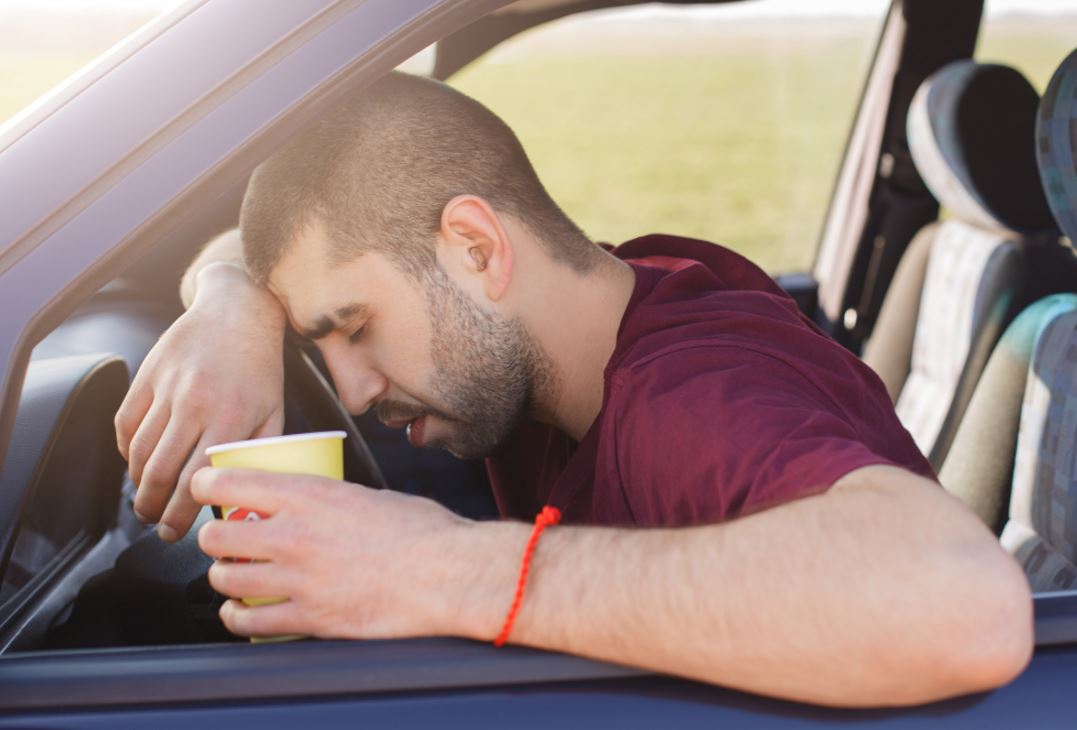
Is It Illegal to Sleep in Your Car in New Jersey?
Many people in New Jersey may need to sleep in their car at some point. A long road trip, a tiring work shift, a late-night drive, or an unexpected emergency can make resting in a parked vehicle a practical choice.
However, drivers often wonder whether doing so could lead to a fine, a police encounter, or other legal problems.
In New Jersey, is it legal to sleep in your car? Statewide, sleeping in your car is legally permissible. With that said, many factors must be considered. Where is the car parked? Are there local ordinances or laws which apply? Are there public safety concerns? What’s the reason the driver wishes to sleep in the car? Each of these can impact the answer to is it legal to sleep in your car?
In general, sleeping in your car is legal in New Jersey. However, there are many contexts in which this can change, and it is important for drivers to be aware of laws so that they can make safer and more informed decisions.
New Jersey Sleeping in Car Law: The Big Picture
Overnight Parking Ordinances: Many towns have regulations which prohibit parking on the streets or in certain lots overnight.
Trespassing: Unless you have permission to be on the property, it is trespassing.
Parking Violations: There are a number of ways you can get a parking ticket and have your car towed including parking in a no parking zone, parking in a zone with a time limit, or blocking an entrance.
Public Safety: Pulling over in a dangerous area creates a hazard for the driver and other people.
DUI: Someone who is intoxicated is in a vehicle is an area where an officer would investigate if that person was operating or in control of the vehicle.
Where Can You Legally Sleep in Your Car in New Jersey?
Usually, you are allowed to sleep in your car in New Jersey, as long as you have permission to park and as long as the location allows overnight parking. The following situations will provide more information.
1. Highway Rest Areas and Service Plazas
There are rest areas located along highways in New Jersey where drivers can park and rest. It is recommended that drivers take a rest if they feel they are no longer safe to operate a vehicle.
A rest area does not allow for camping or staying for an extended period.
Rules vary between different facilities, highways, and parking areas.
Long-term stays or setting up a sleeping area outside your vehicle may not be permitted.
Check the rules and signs before stopping to rest. If using a service plaza on the New Jersey Turnpike or the Garden State Parkway, follow the parking requirements of the authority having jurisdiction.
2. Private Property With Permission
It is typically permitted to stay on your own private property to sleep in your vehicle, as long as you comply with local requirements.
You may be able to stay on another private property, like a friend’s, to sleep in your car, as long as the property owner is OK with it.
Some private lots may have extra rules.
3. Store and Shopping Center Parking Lots
Many businesses allow travelers to park for the night, but there are some that do not allow it.
Before you park for the night at a business:
- Check for signs that say overnight parking is not allowed.
- Get permission from the property owner or manager.
- Park only for the time allowed.
- Leave if the property owner or manager asks you to.
Overnight parking may be allowed at a business, but it may not be allowed per local rules.
Just because a parking lot is open and a business is not, does not mean you can stay overnight.
4. Resting Because of Fatigue or Emergency
Pulling over when you are too tired to drive safely is a decision that could save your life and others.
It applies to commuters, rideshare drivers, students and those that travel long distances.
Pull over in a legal parking spot that is not along the side of the road. Use a rest area or other parking area if possible.
Pulling over because of fatigue does not mean you can park anywhere. The location needs to be safe and legal.
When is it Illegal to Sleep in Your Car in New Jersey?
1. Local Overnight Parking Bans
Many local municipalities have their own laws that restrict where overnight parking is allowed.
This can include parking in residential or commercial areas and even beaches.
New Jersey’s overnight parking laws are a combination of local and state laws.
Breaking an overnight parking ban does not always mean you will be charged with illegal sleeping. To be safe, check the local laws or contact the police or parking authority.
2. DUI Related Risks When Sleeping in a Car
One of the biggest legal risks of sleeping in your car after drinking or using other impairing substances is drunk/drugged driving.
In New Jersey, a person isn’t required to be driving a moving vehicle to face DWI charges.
Courts evaluate several factors when determining if the person was operating the vehicle, including where the person was sitting, if the car’s engine was on, and other pieces of evidence showing recent or planned operation of the vehicle.
3. Unsafe or Prohibited Stopping Locations
There are many places where you can get stopped or parked with your vehicle that can cause legal problems if you are sleeping in your vehicle.
Can Police Wake You Up While Sleeping in Your Car in NJ?
Yes. Police officers can approach a parked vehicle to check on the occupant’s well being, and to investigate potential violations or safety concerns.
If an officer locates you parked and sleeping in your car, the officer has the right to question you, order you to move, issue a summons, and/or investigate an potential violation.
Merely sleeping in your car does not mean you will not be issued a summons. However, sleeping in your car does not mean you will automatically be arrested.
While the officer does not need a reason to wake you up, you can politely ask why you are being told to move. Do not leave if you are too tired or impaired to drive.
Practical Tips to Avoid Legal Trouble
Sleeping in your car in NJ increases the risk of a parking ticket or other legal issues. To help lessen that risk, use approved rest stops on long trips.
- Familiarize Yourself With Parking Signs: Look for signs restricting overnight parking, signs restricting the length of time you can park in a particular location, signs requiring a permit to park, and closing signs.
- Learn About Local Laws: Familiarize yourself with municipal parking ordinances in beach towns, as well as residential areas.
- Obtain Permission To Park: Ask the owner or manager for permission to park for the night.
- Know The Rules Regarding Public Property: Don’t park in public areas that are closed to the public.
- Don’t Drive If You Are Impaired: Plan ahead to make sure you have a safe ride if you have been drinking or using any substance that may impair your ability to drive.
- Don’t Think That Parking In The Passenger Seat Can Protect You: Vehicle position is only one piece of the puzzle in determining if a driver is breaking the law for driving while intoxicated.
- Don’t Park In A Way That Obstructs The Public: Don’t block an emergency service access.
FAQs
Is it against the law to sleep in your car in New Jersey?
No, always. The state of New Jersey does not have a law that bans sleeping in a car. However, local laws regarding overnight parking, as well as other local rules, can make sleeping in a particular location unlawful.
Can you get a DUI for sleeping in your car in New Jersey?
An intoxicated person who is found sleeping behind the wheel with the car engine running can be considered to have operated a motor vehicle. Other evidence, including recent driving or an intention to drive, may also be relevant.
Is sleeping in your car considered loitering?
Not necessarily. While sleeping in a parked vehicle isn’t loitering throughout New Jersey, loitering laws vary from place to place. It will be necessary to read the actual language of the law to determine if the individual is loitering.
Can you sleep in your car at a New Jersey rest stop?
Yes, there are rest areas and service plazas where you can take a break while traveling, but you need to be mindful of the rules and regulations regarding the length of time you can stay and whether you are allowed to stay overnight.
Legal Disclaimer
This article is for general informational purposes only and does not constitute legal advice. The information presented reflects general principles of New Jersey law and is not a substitute for advice from a licensed attorney familiar with your specific situation.
Overnight parking ordinances, local enforcement practices, and applicable laws vary significantly across New Jersey’s municipalities and are subject to change without notice. Before relying on any information in this article, verify the current rules with your local municipality or consult a qualified New Jersey attorney who can advise you based on the facts of your case
