
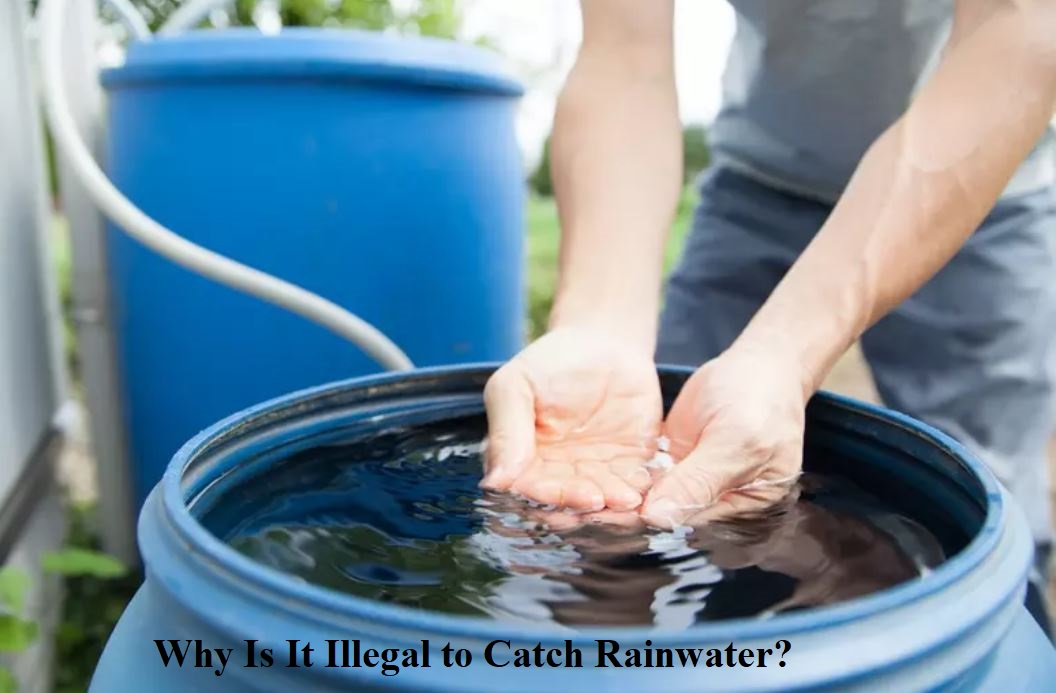
Why Is It Illegal to Catch Rainwater? The Truth Behind US Water Laws in USA
Catching rainwater is legal in most of the United States, but a handful of states impose restrictions tied to historic water rights systems.
Why is it illegal to catch rainwater in some places? It usually comes down to protecting existing water rights holders, not government ownership of rain.
Most homeowners can legally collect rainwater with basic rain barrels, though permits may apply for larger systems.
You’ve probably seen the claim online: catching rainwater will get you fined, or worse, arrested. It sounds dramatic, and that’s exactly why it spreads so easily. But the reality is far less alarming and far more interesting.
Why is it illegal to catch rainwater in certain states while others actively encourage it with tax rebates? A century old legal system called water rights governs the ownership of water before it even reaches the ground and explains why certain states prohibit the harvesting of rainwater while other states reward it.
Homeowners, gardeners and others interested in sustainable living need to understand these rules to be on the right side of the law. In this guide you will learn about the states which prohibit the harvesting of rainwater and the reasons behind these laws.
You will also learn how to gather rainwater regardless of where you live.
In this guide you will learn about the states which prohibit the harvesting of rainwater and the reasons behind these laws. You will also learn how to gather rainwater regardless of where you live.
Is It Actually Illegal to Catch Rainwater?
Most Americans are legally allowed to catch rainwater. Though there are no federal laws that prohibit it, states can differ on their laws and regulations regarding rainwater collection.
Though the majority of states are either indifferent or supportive of rainwater collection, some states have historical restrictions regarding rainwater collection due to water rights laws. These restrictions usually require permits for larger rainwater collection systems.
Here’s a snapshot of how rainwater collection status varies by state:
| State | Rainwater Collection Status | Reason |
| Colorado | Legal with limits (since 2016) | Historical water rights concerns; residential use now permitted under specific conditions |
| Utah | Legal with registration | Water rights system requires registering collection systems with the state |
| Nevada | Mostly legal | Tied to prior appropriation doctrine; some restrictions apply |
| Washington | Legal | Generally unrestricted for residential use |
| Texas | Legal and incentivized | State offers tax exemptions for rainwater harvesting equipment |
| Arizona | Legal and encouraged | Rebate programs exist in cities like Tucson |
| Ohio | Legal | No significant restrictions; drinking water requires treatment |
Rules can change at the city or county level, even if state law allows for rainwater collection.
Local ordinances should be checked prior to any collection systems being constructed. Also, Home Owner’s Associations have rules regarding the exterior equipment that can be installed on properties.
Why Do Some Places Restrict Rainwater Collection?
1. Historical Water Rights Systems
Restrictions regarding rainwater collection stem from the prior appropriation water rights system. This system, predominantly used in the western U.S., awards the first user of a water source, whether it be a river or creek for irrigation or another purpose, the right to that water source, even if it is someone else’s water that runs off onto a rooftop and is captured as rain.
In states with a predominately snow and rain fed river systems, water rights holders are concerned with upstream users capturing all the rainwater, reducing the flow of the river and therefore, reducing the water rights of the downstream users.
This is predominately the case with mining and agricultural uses of water in the western U.S., and is the basis of water rights laws in Colorado and Utah.
2. Protecting Existing Water Supplies
There are some exceptions in additional protection of surface water and groundwater resources that are used by a community.
From a resource planner’s perspective, every drop of surface water that doesn’t make it to an upper reservoir or underground aquifer is crucial in the planning and management of water resources, especially during a drought.
3. Avoiding Environmental Problems
Poorly designed collection systems can lead to problems with stormwater management and mosquito breeding as well as structural problems due to the improper installation of cisterns.
There are local regulations to ensure that collection systems are engineered and installed in a safe manner, but the intent of these regulations is not to restrict water harvesting.
Which States Have Rainwater Collection Restrictions?
Colorado
Until recently, Colorado had some of the strictest rainwater collection laws in the U.S. Due to Colorado’s history with the prior appropriation doctrine, it was illegal for homeowners to capture and store roof runoff for their own use.
In 2016, that changed, and with the passing of House Bill 16-1005, homeowners were legally permitted to harvest roof runoff for irrigation and other on-site uses, provided they use no more than 2 rain barrels with a capacity of 110 gallons each.
Utah
As long as a person has registered their rainwater harvesting system with the Utah Division of Water Rights, they are allowed to collect and use rainwater for any lawful purpose.
Other States
Although the state has the most restrictive laws, other states have laws and regulations regarding rainwater harvesting. Check with your state water agency for any rules.
Also research local city and county building codes and Home Owner’s Association (HOA) rules, as they also may have rules regarding the installation of a rainwater harvesting system.
Rainwater harvesting laws are changing, so always check with your local water agency for the most up to date laws. California generally allows rainwater collection from rooftops for non-potable uses, such as watering gardens and landscaping.
However, certain rules, plumbing requirements, and local regulations may apply depending on how the collected water is stored and used.
Why Do People Think Collecting Rainwater Is Illegal?
Myth 1: The Government Owns All Rainwater
This is one of the most persistent misconceptions. In reality, the water rights doctrine governs usage rights between competing parties, such as downstream farmers and upstream property owners, not blanket government ownership of precipitation. No agency claims legal ownership of the rain falling on your roof.
Myth 2: Collecting Rainwater Is Illegal Everywhere
This myth likely spread because a few high-profile cases, like Colorado’s pre-2016 restrictions, got outsized media attention.
In truth, the overwhelming majority of US states place no meaningful restrictions on residential rainwater collection.
Benefits of Legal Rainwater Harvesting
1. Environmental Advantages
Harvesting rainwater reduces the amount of stormwater runoff. This helps to reduce erosion and the amount of pollutants that enter local waterways.
It helps to reduce the stress on the municipal water treatment systems and promotes conservation of other water resources.
2. Financial Advantages
Using harvested rainwater for irrigation can significantly reduce homeowners’ water bills, especially during the summer months. Certain equipment for rainwater harvesting is exempt from state taxes in Texas, and some cities provide rebates for systems that meet their criteria.
3. Sustainability Advantages
Rainwater harvesting is a way to reduce reliance on municipal water resources, and promotes sustainability. During a drought, it is especially valuable, because every alternative water source helps to reduce the stress on the water supply.
How to Collect Rainwater Legally?
Step 1: Know Your Local Laws
Most often the state allows rainwater collection. The laws at the city, county, and HOA level may have different restrictions. To confirm requirements and permits, contact your local water agency.
Step 2: Choose an Approved Collection System
According to your requirements and local laws, you have the following options:
- Rain Barrels: Simple, affordable, and good for small-scale garden use.
- Storage Tanks: Good for larger irrigation needs.
- Underground Cisterns: Good for homeowners wanting a discreet, high-capacity harvesting system.
Step 3: Use Water Safely
Rainwater can be used for gardening and irrigation without any treatment. For drinking and cooking, it should be treated to safe drinking water standards. Some states have separate laws regulating treated rainwater for indoor use.
Frequently Asked Questions
Is it illegal to collect rainwater in the United States?
No, you can collect rainwater in the U.S. Only a few states have regulations or require permits for rainwater collection, Colorado and Utah being two of them.
Water rights laws, and more specifically the prior appropriation doctrine, dictate restrictions on water usage and subsequent impacts on rain barrel collection.
For states adhering to the prior appropriation doctrine, water rights are typically allocated to senior water rights holders first.
Water rights are then extended to junior water rights holders, once the water supply is sufficiently adequate. The prior appropriation doctrine is most common in Western States.
Can I collect rainwater from my roof?
The ability to legally collect rainwater from your roof varies by state. Generally, homeowners are legally allowed to collect rainwater in their state. Always consult your local building codes for regulations pertaining to your collection systems and connection to your home plumbing.
Which states are most friendly to rainwater harvesting?
Rainwater harvesting is encouraged through various state incentives in Texas, Arizona, and Ohio.
Can collected rainwater be used for drinking?
If collected and stored in a clean and sanitized manner, the rainwater can be potable. However, untreated and unfiltered rainwater can contain debris and contaminants which may make it unsafe for consumption.
Authorities & Sources
- Justia: US State water harvesting Laws – state-by-state legal codes and resources
- Justia: 50-State Surveys – comparative overviews of state-specific laws
- U.S. Environmental Protection Agency (epa.gov) – guidance on rainwater harvesting and water quality
- State government water resource department websites (e.g., Colorado Division of Water Resources, Utah Division of Water Rights)
Legal Disclaimer
The information provided in this article is for general educational and informational purposes only and should not be considered legal advice. Rainwater harvesting laws, water rights regulations, and permit requirements vary by state, county, city, and homeowners association rules.
Although this article aims to provide accurate and up-to-date information, laws and regulations can change. Before installing a rainwater collection system or using collected rainwater for residential, agricultural, or drinking purposes, consult your local water authority, building department, or a qualified legal professional.
Featured image: townsquare.media
