

Is It Illegal to Kill a Praying Mantis? Laws, Myths, and Facts
“It’s illegal to kill a praying mantis.” You may have heard this claim from friends, family members, or somewhere online. Some people even believe that killing one can result in a $50 fine or criminal charges.
But is it actually true?
Short answer: No, killing a praying mantis is generally not illegal in the United States.
There is no blanket federal law that makes killing an ordinary praying mantis a crime.
However, certain wildlife protection rules, protected locations, and state-specific regulations may create exceptions.
Let’s break down what the law says, why this rumor exists, and whether you can legally kill a praying mantis in your backyard.
What Is a Praying Mantis?
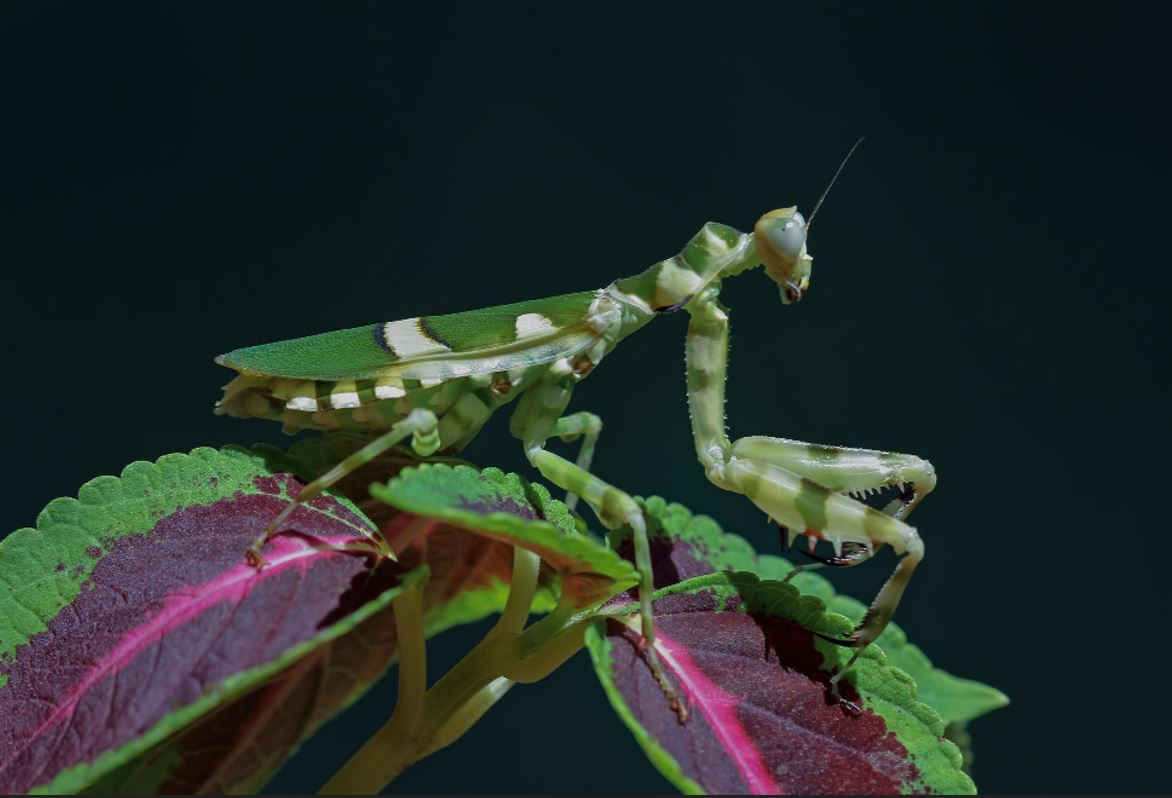
A praying mantis is an insect known for its unusual appearance and hunting behavior.
It gets its name from its folded front legs, which look like hands held together in prayer.
Some common physical characteristics include:
- A triangular-shaped head.
- Large eyes that help it detect movement.
- Long bodies, usually green or brown.
- Folded front legs with sharp spines for catching prey.
Praying mantises eat other insects, including flies, beetles, and other small garden pests.
Is It Illegal to Kill a Praying Mantis in the US?
No, it’s not. Most of the time, it’s legal to kill a praying mantis in the US.
Generally speaking, there aren’t any federal laws that protect praying mantises.
Most of the time, it’s illegal to harm or kill something that’s protected by the law. And, if an insect is protected by the law, then different rules would apply.
Why Do People Think Killing Praying Mantises Is Illegal?
There are a few reasons why most people have this misunderstanding.
1. Praying mantises are good insects.
Mantises are beneficial insects. They eat other insects that can harm plants and gardens. Because of this, lots of people support efforts to protect praying mantises.
2. Protected Wildlife Misunderstanding
There are lots of different animals and insects that are given legal protection by both the federal and state governments. Many people confuse protected praying mantises with these creatures.
Federal laws give legal protection to some insects. However, this doesn’t mean all insects are legally protected.
3. The $50 fine
A different common rumor states you can get fined $50 for killing a praying mantis.
There is no general federal law making it a crime to kill an ordinary praying mantis. This urban legend is popular, but it should not be taken as the actual rule of law across the country.
When Could Killing a Praying Mantis Cause Legal Problems?
Generally speaking, killing a praying mantis in your yard is legal. However, there are some exceptions and they are as follows.
1. In National Parks and Protected Areas
Certain parks and other protected areas prohibit people from harming or taking the wildlife in the area. For example, in the national parks, rules prohibiting people from harming or taking wildlife are typically found in the rules and regulations of the individual national parks.
Under 36 CFR § 2.1, destroying, injuring, or disturbing wildlife is prohibited, unless an exception applies. Similarly, rules in other protected areas also prohibit the harming or taking of the wildlife in the area.
These rules can apply even if the wildlife is a small insect.
2. Local or State Wildlife Protection
In addition to national wildlife protection, some states also have laws that prohibit the taking of certain animals or prevent the destruction of nests and egg masses. Therefore, an unusual insect that you may encounter in a conservation area could be a protected species.
If you are not sure about the laws that may apply to an area, it is always a good idea to check with a local game warden or conservation officer about it.
3. Illegal Pesticides or Other Harmful Chemicals
Using chemical sprays or other insecticides to kill praying mantises can result in other legal problems.
For example, pesticides cannot be used in a manner that is not in accordance with the label. Using a prohibited chemical or pesticide can also result in legal consequences.
Generally speaking, the issue is not that a praying mantis was killed. Rather, the issue is the chemicals that were used, the manner in which they were used, and the environmental consequences.
Can You Kill a Praying Mantis in Your Backyard?
In most states, you likely will not face criminal charges for killing an ordinary praying mantis on your own private property.
There is no special criminal law that prohibits or punishes someone for killing praying mantises.
But before you harm or kill a mantis, ask yourself if it is really necessary to do so.
Mantises are not aggressive towards humans. They do not sting and rarely bite. Also, they are not known to spread any diseases to humans.
You can choose to ignore or relocate it to some other place, if you see one in your garden.
Are Praying Mantises Endangered or Protected?
In general, praying mantises that are common in US gardens, are not considered as endangered wildlife.
For example, the Carolina mantis is a common native species while the Chinese or European mantises are some common non-native species.
The Endangered Species Act (ESA) will not automatically protect every insect. In order for a species to be protected under the ESA, it must go through the legal process and be formally listed as such.
If in the future a certain species of mantis is federally or state protected, the laws will be updated accordingly.
Should You Kill a Praying Mantis?
Here are a few reasons:
- Natural pest control: They eat many insects that gardeners consider pests.
- Generally harmless: They do not sting and rarely bite humans.
- Part of the ecosystem: They are predators that help maintain natural insect populations.
- No need to remove them: They usually do not damage homes, furniture, or household items.
One thing to remember is that mantises also eat beneficial insects. They are generalist predators, not a perfect pest-control solution.
Still, there is usually no reason to kill one simply because you find it in your garden.
Common Myths About Killing a Praying Mantis
| Myth | Fact |
| Killing a praying mantis is a federal crime. | There is no blanket federal law prohibiting it. |
| You automatically go to jail for killing one. | Killing an ordinary mantis in a backyard generally does not lead to criminal charges. |
| All praying mantises are endangered. | Common U.S. species are not generally endangered. |
| You must pay a $50 fine. | There is no general federal $50 fine for killing one. |
| Praying mantises are dangerous to humans. | They are generally harmless and rarely bite. |
When Should You Be Careful?
Before killing or removing a praying mantis, consider these situations:
- National parks: Federal regulations generally prohibit harming wildlife.
- Wildlife refuges: Special rules protect animals and plants in these areas.
- Protected species: Check whether the particular species has federal or state protection.
- Local wildlife rules: Some areas may have additional conservation requirements.
- Chemical use: Never use prohibited pesticides or apply chemicals contrary to their approved labels.
If you are unsure, check with your state’s wildlife agency or local environmental authority.
Final Thoughts
So, is it illegal to kill a praying mantis? In most everyday situations across the United States, the answer is no. The claim that killing one automatically leads to a fine or jail time is mostly a myth.
However, location-specific wildlife rules, protected species regulations, and restrictions on chemical use can create legal exceptions.
Disclaimer: This article provides general legal information about U.S. laws, not legal advice. Wildlife regulations can vary by state, locality, species, and location. Check current official rules for your specific circumstances.
