
The Role of Expert Witnesses in Personal Injury Litigation
Medical and technical questions often arise when an injury claim involves evidence that requires specialized knowledge. Questions may focus on an injury’s severity or the conditions surrounding an accident. When normal documents fail to provide crucial information, an attorney may call an expert witness to testify to that information. More on expert witnesses in tort actions:
Clarify Injury Extent
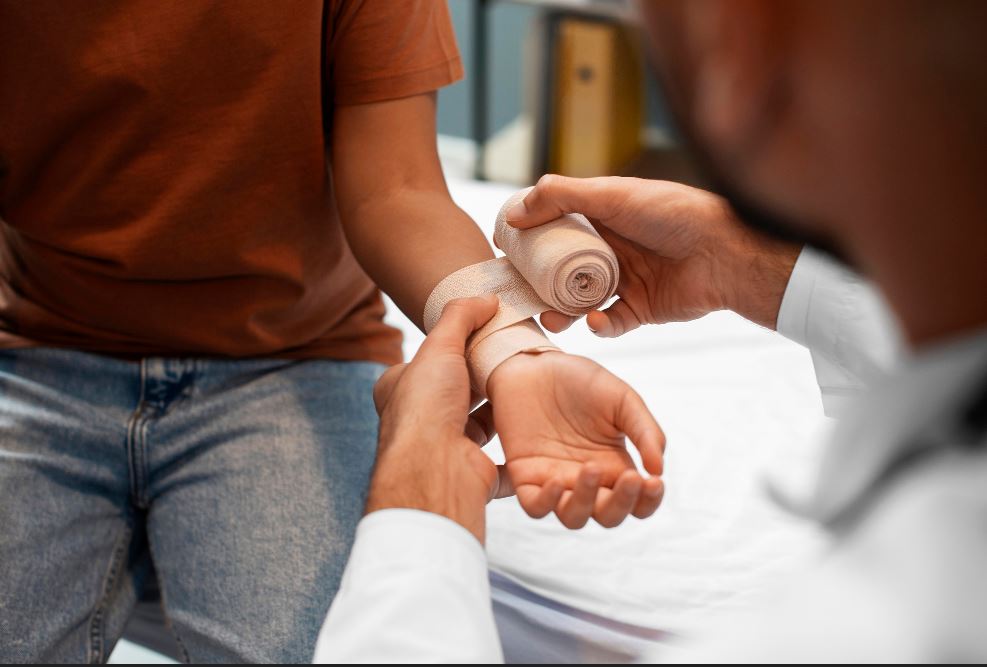
Doctors can testify as to what they find when they examine a patient, but to state what injuries mean to a patient and the restrictions those injuries place on the patient, requires a different type of expert- a medical opinion specialist. A medical opinion specialist, usually a doctor or a physical therapist, may state their professional opinion based upon the clinical evidence as to the limitations which the patient may experience due to the injuries sustained in the incident which forms the basis of the action.
It is usually the case that more thorough medical opinion and diagnosis is required for injuries which affect the plaintiff’s cognitive and emotional state, and injuries which affect the Plaintiff for an extended period of time. Psychiatrists may testify to the effects of emotional distress which may be the basis of a tort action.
Connect the Incident to the Injury
An explanation of the injury does not always resolve the question of how the incident caused the injury. In that case, an expert in a related field may testify to the sequence of events which supports a theory as to how the incident caused the injury.
Technical evidence becomes particularly relevant when another party disputes causation. Vehicle movement, impact forces, mechanical failures, or structural conditions may require analysis beyond ordinary observations. A personal injury lawyer uses expert findings when the connection between the event and injury remains contested.
Evaluate Unsafe Conditions
Physical conditions that create a foreseeable risk of injury may require the services of an expert to define and analyze. Often, the expert’s opinion is essentially the same as, or corroborative of, other types of evidence. In preparing a case, it is important to find a balance between the number of opinions offered by a given expert and the scope of the expert’s work. A forensic engineer may address any of the following issues:
- Premises conditions, such as the lack of adequate upkeep and maintenance or unsafe and misleading surface conditions, and whether appropriate safety precautions were taken.
- Defects in design, or inadequate or inappropriate structural conditions and components of a product or a building.
- Failure of a machine or other equipment to perform the function intended because of a mechanical failure.
- Experts analyze products to determine if a design defect or error in manufacturing created a product defect.
- Site specialists analyze the specific features of the site related to the incident.
Support the Settlement Strategy
Prior to a trial, attorneys may call upon experts to give opinions regarding various aspects of a case including how a person may have been injured or hurt in an accident and to what extent an injured person may be impaired in the future, and how that may affect that person’s ability to function, and what, if any, treatment may be available to lessen that impairment.
Persons representing insurance companies may wish to question experts to see if that person agrees with that expert’s opinion and why. Experts may also be called to testify to give their opinions to clarify the issues in a case that are in dispute.
Work With a Personal Injury Lawyer
A personal injury lawyer may call upon various experts to give their opinions regarding any evidence that may support the lawyer’s theory of the case and aid in the presentation of that case to a judge or jury. Experts may also assist in constructing a case theory, develop and analyze evidence to aid in the formulation of that case theory. Get in touch with a lawyer to see if expert opinions will aid your case.
