
Is It Illegal to Prank Call Fast Food Places? Laws and Consequences
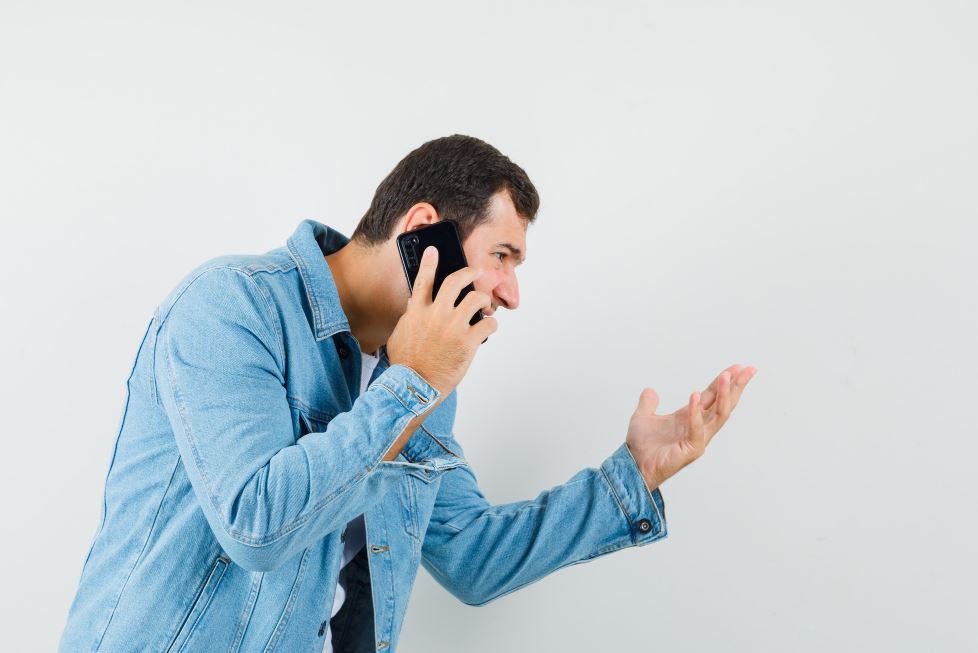
Is it illegal to prank call fast food places? In most cases, a single harmless joke call to a restaurant is not a crime.
Legal problems can arise when the calls become repeated, threatening, obscene, deceptive, or disruptive.
False emergency reports are especially serious. Whether a prank crosses the line depends on intent, how often you call, what you say, and the laws of the state where it happens.
Prank calls to fast-food restaurants have been around for decades, and social media has made them more popular.
Many people see them as harmless fun. A quick joke to a Burger King or Taco Bell may seem innocent, but the employee on the other end is working a busy shift, and the law takes harassment seriously.
This article provides general information, not legal advice.
Is It Illegal to Prank Call Fast Food Places?
No single nationwide law makes every prank call illegal. Most telephone harassment laws in the US focus on intent and behavior, not on the joke itself.
Consider the difference:
- A one-time joke: You call a Wendy’s, ask a silly question about square burgers, laugh, and hang up. This is usually not a crime.
- Harassment: You call the same Wendy’s 30 times in one night, curse at the cashier, and refuse to stop after being asked. That pattern may violate harassment laws.
A single nonthreatening call rarely shows an intent to harass. Repeated unwanted calls, especially after staff ask you to stop, can show exactly that.
Key takeaway: The joke itself is rarely the problem. The pattern, purpose, and content of the calls are what matter.
When Does Prank Calling a Fast Food Restaurant Become Illegal?
Repeated Calls Intended to Harass Employees
Most state statutes criminalize making repeated calls to any person with the purpose of harassing, alarming, or disturbing them. Restaurant telephone harassment typically involves:
– Repeating call after being asked to stop.
– Bunching up the line at lunch or dinner rush
– Targeting a specific employee by name
Getting caught out by repeated prank calls.
Threatening Language or Abusive Language
Threats alter the entire situation. Threatening to steal from or harm Taco Bell workers or the restaurant can be a form of criminal mischief and depending on the circumstances you could be charged. Obscene language and sexual comments can also be an offense.
Placing Fake Food Orders to Disrupt Business
Fake food orders waste ingredients, time and money. When someone calls to order 40 burgers to go and doesn’t pick them up, the restaurant is the one that lost out.
A single fake order may be taken by a blocked number. Intentional repeated fake orders may result in a charge of harassment, a civil claim of damages, or other charges according to state law and the circumstances.
Making a False Emergency or Crime Report
Here’s the most perilous. Fake bomb threats, hoaxes of armed robberies or “swatting” threats can cause evacuations and armed police responses. Such acts can be charged as a felony under state law and also federal law. There are reports of people being seriously injured, even killed, in swatting situations.
What Federal Laws Apply to Prank Calls?
Generally, laws regarding prank phone calls are state laws, with federal laws typically only applying in the case of more serious instances. Federal law comes into play when the call crosses state lines, or involves threats or hoaxes.
47 U.S.C. § 223: A federal statute regulating obscene or harassing communications in interstate or foreign commerce. This statute applies to anonymous calls made in order to abuse, threaten or harass, as well as repeatedly making calls solely for the purpose of harassment. Punishments may include fines and imprisonment for up to two years.
18 U.S.C. § 875: Threatening to injure any person in interstate or foreign commerce through communication constitutes a federal offense. Punishment includes fines and a maximum penalty of five years’ imprisonment in some cases.
18 U.S.C. § 1038: Reporting false bomb or terror threats to public officials can lead to imprisonment and compensation for costs of response. False reporting may include reporting information likely to be believed.
47 U.S.C. § 227(e): This provision prohibits caller id spoofing if it is used to defraud, cause harm, or obtain something of value wrongfully. Punishment is set by the FCC and can be hefty.
These statutes have specific requirements. An ordinary prank call usually does not meet them.
Can You Get Arrested for Prank Calling McDonald’s or Other Fast Food Restaurants?
You can, but arrest is not automatic. Police usually get involved when calls include:
- Repeated harassment after warnings
- Threats of violence
- False emergency reports
- Serious disruption to the business
Example: A teenager calls a local McDonald’s 25 times over two evenings. Each time, he claims he wants to place a huge pickup order for a “team party,” keeps employees on the line, then hangs up laughing. Staff ask him to stop. He keeps calling and starts insulting the shift manager. The manager logs each call and reports it to police.
Officers may contact the caller and issue a warning. If the calls continue, the teen could face a harassment charge, which for a minor usually means juvenile court.
Prank calling McDonald’s once to ask about the ice cream machine probably won’t lead to anything. The legal risk grows when the calls become persistent, hostile, or harmful.
What Are the Legal Consequences of Prank Calling a Restaurant?
The consequences resulting from a prank call can range from one extreme to another. They include:
- Investigation or criminal charge: This usually begins as a misdemeanor charge for harassment. False statements and threats will result in felony charges.
- Consequences of fines and incarceration: This will depend on the situation, previous record, and extent of damage done. The maximum consequence is seldom reached.
- Liability: A restaurant might file a case for losses incurred due to wasted food.
- Juvenile procedure: Youngsters involved in the prank might end up doing probation or community service.
- Business policies: Restaurants have the right to block number(s), restrict access, and deny future orders.
Can Fast Food Restaurants Report Prank Calls to the Police?
Yes. Restaurants may complain about prank calls just like any other victim of harassment. Here are some actions that would help restaurants create an evidence trail of the calls:
- Recording of calls: Recording date, time, number used, and content of the call.
- Record of call records: Recordings of caller ID logs and phone carrier records.
- Record of warnings: Document instances where the caller has been warned to stop.
- Recording of recordings: Keeping lawful recordings based on state requirements for consent.
Blocking or spoofing of numbers doesn’t mean anonymity. Lawful investigations allow law enforcement to obtain records from phone carriers via subpoenas or warrants. A restaurant needs to contact law enforcement in case of threat or false emergency claims.
Is Recording and Posting a Restaurant Prank Call Illegal?
This may be possible. According to federal law, one party may record the conversation if one party consents. You may be that party. Some states use one-party rules.
Many states such as California, Florida, Pennsylvania, and Washington have two-party rules. That means that recording an employee of Burger King in these states without his or her consent may be unlawful. Inter-state conversations may also make things tricky.
Some other legal problems are related to publishing the recorded conversation online:
- Breach of privacy or publicity rights in case the employee is identifiable
- Defamation for the false representation of the conversation in the edit
- Publication becomes public evidence used against you
Viral video doesn’t legalize unlawful behavior. Millions of views may help you to be identified.
How Do State Laws Treat Prank Calling?
Every state has its own approach to harassing calls. California and Texas offer two examples, but they don’t represent the whole country.
California Penal Code § 653m makes it a misdemeanor to call or electronically contact someone with intent to annoy while using obscene language or threatening injury to the person, their family, or their property. It also covers making repeated calls with intent to annoy or harass, whether or not a conversation takes place. Calls made in good faith are excluded.
Texas Penal Code § 42.07 defines harassment as certain conduct done with intent to harass, annoy, alarm, abuse, torment, or embarrass someone. This includes:
- Obscene comments
- Threats likely to cause alarm
- False reports that someone has died or been seriously injured
- Repeated calls made anonymously or in a harassing manner
The offense is generally a Class B misdemeanor, and penalties can increase in certain situations, such as with a prior conviction.
Other states use different wording, intent standards, and penalties. Always check local law.
Frequently Asked Questions
1. Can you be arrested for prank calling McDonald’s?
Yes, in some situations, where your actions can be defined as harassment, threats, and disruptive acts. Making a single non-threatening prank call does not imply breaking the law, but harassing phone calls frequently can be viewed as misconduct.
2. Is making a prank call to a restaurant illegal?
Not in all cases. However, one joke phone call to a restaurant does not mean that you have done anything wrong. Nevertheless, if the call included some kind of threat or obscene language, then it was illegal.
3. Can a restaurant identify a prank caller?
Yes. The restaurant can use the information provided by the caller ID, telephone records, and voice mail tapes. In addition, police officers can apply appropriate methods to gain the necessary data from the telecommunication company. You cannot remain anonymous even if you use caller ID blocking.
4. Can fast food workers file charges on prank callers?
Yes. The workers of restaurants can inform the law enforcement about harassing phone calls.
5. Is ordering fake food illegal?
Not automatically. A single fake order may simply waste employees’ time. However, repeatedly placing fake orders to deliberately cause financial losses or disrupt restaurant operations may create additional legal concerns, depending on the circumstances.
6. Can minors get in trouble for prank calling businesses?
Yes. Minors can face consequences for harassment, threats, and other unlawful conduct. Depending on their age, state law, and the seriousness of the incident, a case may be handled through the juvenile justice system. Parents may also face certain financial or civil consequences under applicable state laws.
Conclusion
So, is it illegal to prank call fast food places? Not necessarily. A single harmless joke call is generally different from repeated unwanted calls, threatening communications, or deliberately disruptive behavior.
However, callers should understand that describing something as a prank does not automatically protect them from legal consequences. Depending on the circumstances, conduct may violate federal or state laws involving telephone harassment, threats, false emergency reports, or fraud.
Featured image: magnific.com
